
Is Palm Tree Bark Bad for Dogs? Risks, Symptoms and What to Do
Key Takeaways
- Ordinary palm bark is not automatically poisonous to dogs.
- Swallowed bark can still cause stomach upset or a blockage.
- Sago palms are cycads, not true palms. They are highly toxic.
- All parts of a sago palm are dangerous, especially the seeds.
- Suspected sago palm ingestion is an emergency. Do not wait for symptoms.
- Identify the exact plant. Do not rely on the word palm alone.
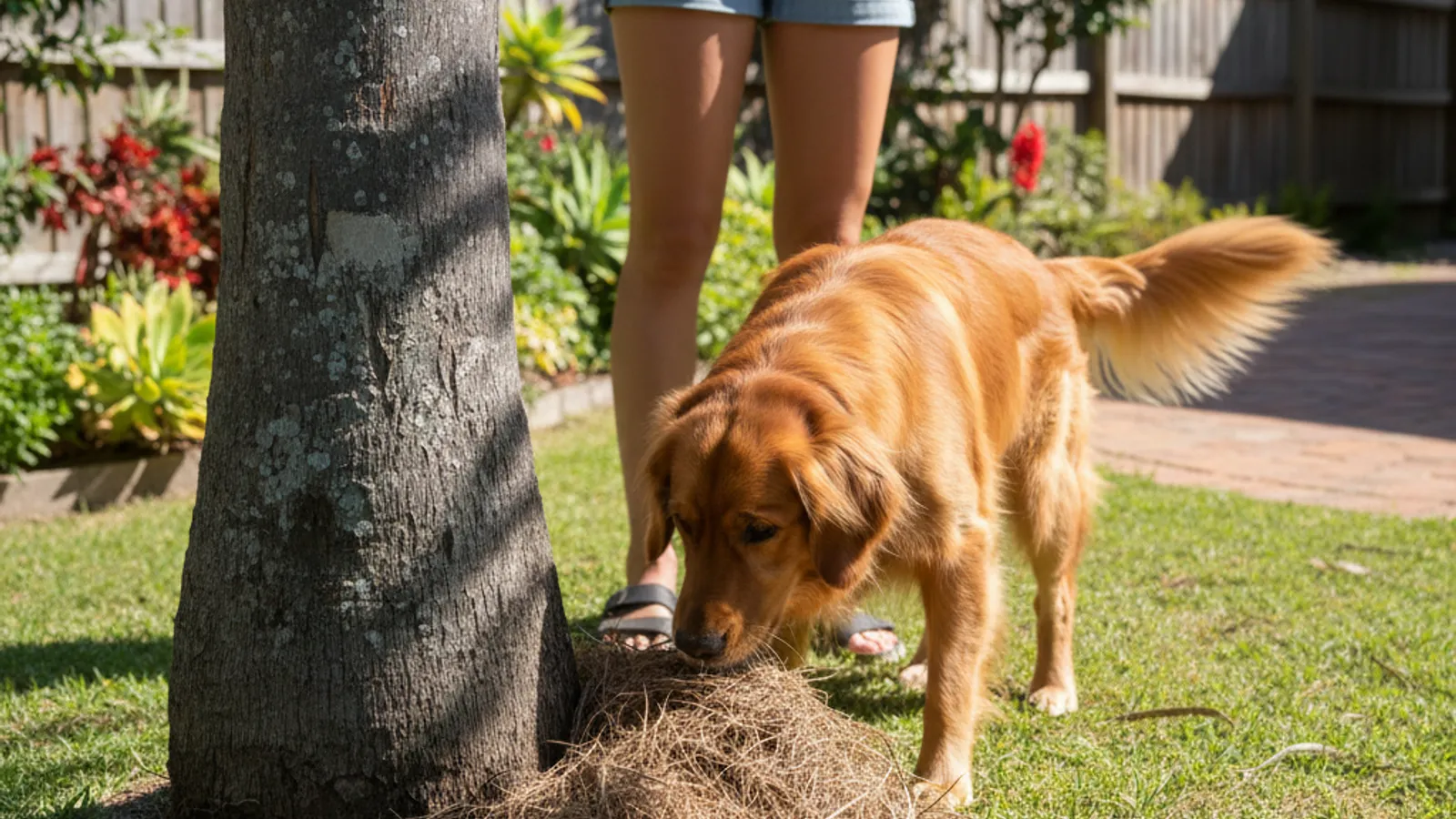
Palm tree bark can be harmful to dogs if they chew or swallow it, but the level of risk depends on the type of plant, the amount eaten, and whether the material contains sharp or fibrous pieces.
Swallowing ordinary palm bark may cause digestive irritation or, in some cases, an intestinal blockage.
However, there is an important distinction between true palms and plants commonly called sago palms. Sago palms are actually cycads, and they are highly toxic to dogs. Eating any part of a sago palm can cause serious poisoning, including liver damage and potentially death.
The ASPCA confirms that all parts of the sago palm are toxic to dogs, with seeds being particularly dangerous.
If your dog has been chewing palm bark, eating fallen leaves, or swallowing seeds from your garden, understanding the risks can help you decide what to do next.
Is Palm Tree Bark Toxic to Dogs?
Not all palm tree bark is poisonous to dogs. The main concern is identifying the exact plant and determining whether your dog swallowed material that could cause physical injury or poisoning.
There are three main risks:
| Risk | What It Means |
|---|---|
| Plant toxicity | Some palm-like plants, particularly sago palms and related cycads, contain dangerous toxins. |
| Digestive irritation | Swallowing plant material can cause vomiting, diarrhea, or stomach discomfort, even when the plant is not classified as poisonous. |
| Physical blockage | Large or indigestible pieces of bark may obstruct the digestive tract. |
The ASPCA notes that eating plant material can cause gastrointestinal upset in dogs, including material from plants not classified as toxic.
Therefore, it is best not to let your dog chew or swallow palm bark, even if you believe the tree is harmless.
Why Do Dogs Eat Palm Tree Bark?
Dogs chew bark for several reasons, and the behavior does not automatically indicate a nutritional deficiency.
Curiosity and Exploration
Puppies and younger dogs often explore their surroundings with their mouths. Rough tree trunks, fallen leaves, and loose bark can attract their attention.
Boredom and Chewing Habits
Some dogs chew trees because they enjoy the texture or lack appropriate opportunities for play and chewing. Providing suitable chew toys, exercise, and enrichment may help reduce the behavior.
Pica: Eating Non-Food Objects
Pica refers to repeatedly eating non-food materials. If your dog regularly swallows bark, soil, stones, or other objects, speak with a veterinarian about possible behavioral or medical causes.
What Happens If a Dog Eats Palm Tree Bark?
The effects depend on the plant species, the amount swallowed, and the size and health of the dog.
1. Stomach Upset
Dogs may develop vomiting, diarrhea, reduced appetite, or abdominal discomfort after eating plant material.
These symptoms are not necessarily signs of poisoning, but they should not automatically be dismissed as harmless, particularly when the plant is unidentified.
2. Mouth or Digestive Tract Irritation
Rough, fibrous, or sharp pieces of bark may irritate the mouth and digestive tract.
Watch for excessive drooling, discomfort while chewing, repeated swallowing, or difficulty eating.
3. Intestinal Blockage
Large pieces of bark may be difficult to digest or pass through the digestive system. If a piece becomes lodged, it can cause an intestinal obstruction.
Warning signs include repeated vomiting, abdominal pain, loss of appetite, lethargy, and difficulty passing stools. These symptoms require prompt veterinary assessment.
4. Poisoning From a Sago Palm
This is the most serious concern when the plant has not been identified.
Sago palms and related cycads contain toxic compounds that can damage the liver and affect the digestive system. All parts of the plant are potentially dangerous, including the leaves, roots, and seeds.
According to the ASPCA’s sago palm guidance, possible signs include vomiting, bloody stools, increased thirst, jaundice, blood-clotting problems, liver failure, and death.
Emergency: If your dog may have swallowed any part of a sago palm or cycad, seek emergency veterinary care immediately. Do not wait for symptoms.
Are Sago Palms Dangerous to Dogs?
Yes. Sago palms are highly toxic to dogs and are important for pet owners to recognize.
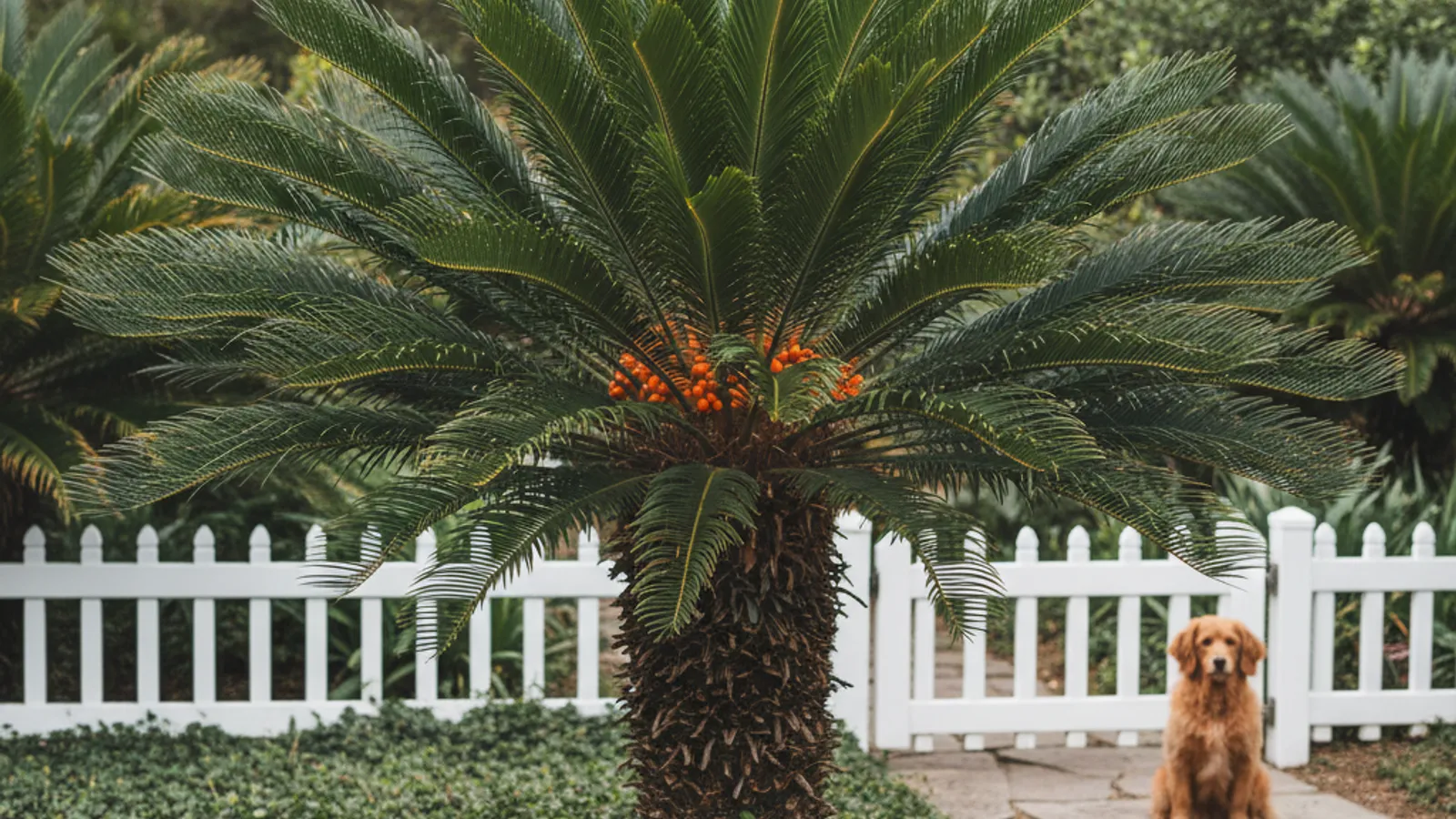
Despite their name, sago palms are cycads rather than true palms. They are ornamental plants with stiff, radiating leaves and a thick central trunk, and they can be mistaken for other garden plants.
The seeds are especially dangerous, but the entire plant can cause poisoning.
A dog does not need to eat a large amount before the situation becomes serious. The exact risk depends on the exposure, and it is not possible to determine safety simply from how much material appears to be missing.
For additional information, see the ASPCA’s warning about sago palm poisoning.
| True Palm | Sago Palm (Cycad) | |
|---|---|---|
| What it is | A true palm | A cycad, not a true palm |
| Toxicity | Not automatically poisonous | Highly toxic to dogs |
| Main risk | Stomach upset or blockage | Liver damage and serious poisoning |
| Most dangerous part | Large swallowed pieces | Seeds, but every part is toxic |
| What to do | Call your vet if unsure | Emergency vet care immediately |
True palms also have plenty of value in a garden. Our guide on why palm trees are important for humans and nature covers the many uses and benefits of real palms.
What Are the Symptoms of Palm Plant Poisoning in Dogs?
Possible symptoms depend on the plant and the amount ingested.
Signs that may occur after eating plant material include:
- Vomiting or diarrhea.
- Excessive drooling.
- Reduced appetite.
- Abdominal discomfort.
- Weakness or unusual tiredness.
Sago palm poisoning can cause more serious signs, including bloody stools, increased thirst, jaundice, bruising, abnormal bleeding, and liver failure.
Symptoms may not appear immediately. A dog that seems normal after suspected sago palm ingestion may still be at risk.
Do not use the absence of symptoms as proof that your dog is safe.
What Should You Do If Your Dog Eats Palm Tree Bark?
Dog owners commonly worry about what to do when they discover that their pet has chewed a fallen leaf, swallowed bark, or eaten something from an unidentified garden plant.
The safest response depends on the suspected plant and the amount consumed.
Step 1: Prevent Further Access
Move your dog away from the plant and remove any loose bark, leaves, or seeds that remain within reach.
Step 2: Identify the Plant
Take clear photographs of the entire plant, trunk, leaves, and any seeds or cones. If possible, keep a sample or photograph of the material your dog chewed.
Do not delay veterinary care while trying to identify the plant if a toxic species is suspected.
Step 3: Contact a Veterinarian
Contact your veterinarian promptly if your dog swallowed bark, particularly if the quantity is unknown or the material was in large pieces.
If sago palm or cycad ingestion is possible, seek emergency veterinary attention immediately, even if your dog appears healthy.
Step 4: Avoid Home Remedies
Do not induce vomiting, give medications, or try home remedies unless a veterinarian specifically instructs you to do so.
The appropriate treatment depends on the substance, the timing of ingestion, and your dog’s condition.
Step 5: Monitor for Changes
Watch for vomiting, diarrhea, drooling, abdominal discomfort, unusual tiredness, or changes in appetite.
Repeated vomiting, a painful or swollen abdomen, collapse, bloody stools, or difficulty passing stools warrant urgent veterinary assessment. Suspected sago palm poisoning requires immediate action regardless of whether these symptoms have appeared.
Common Questions Dog Owners Ask About Palm Trees
Questions in online pet-owner discussions often focus on a few practical situations: a dog eating a fallen palm leaf, chewing bark without swallowing much, swallowing a seed, or an owner being unsure whether the plant is a sago palm.
These concerns are worth addressing, but individual experiences online cannot establish whether a particular plant or exposure is safe.
My Dog Ate Palm Tree Bark but Seems Fine. Should I Worry?
The risk depends on the plant species, the amount swallowed, and the size of the pieces. If the plant is unidentified, contact a veterinarian for advice. If it could be a sago palm, seek emergency care immediately rather than waiting for symptoms.
My Dog Ate a Palm Leaf. Is That Dangerous?
It depends on the species. A leaf from an ordinary true palm is not automatically equivalent to a sago palm leaf, but swallowed plant material can still cause digestive irritation or a blockage. Identify the plant and contact a veterinarian if the species is uncertain or your dog swallowed a substantial amount.
Are Palm Tree Seeds More Dangerous Than Bark?
Some palm-like plants have especially dangerous seeds. Sago palm seeds contain concentrated toxins, but other parts of the plant are toxic too. Never assume a seed is harmless because it came from a plant commonly called a palm.
Can I Wait for Symptoms Before Taking My Dog to the Vet?
Not if sago palm or cycad ingestion is suspected. Serious poisoning can progress even when a dog initially appears normal. Seek immediate veterinary care rather than waiting for vomiting or other signs.
How Can I Tell if My Plant Is a Sago Palm?
Look at the whole plant, including its trunk, stiff leaves, and any seeds or cones. Photographs can help a knowledgeable plant specialist identify it, but appearance alone may not provide a reliable diagnosis. If your dog may have eaten an unidentified palm-like plant, seek veterinary advice promptly.
How to Stop Your Dog From Chewing Palm Bark
Preventing access is the most effective way to reduce the risk.
- Use a physical barrier. Install a suitable tree guard or fence to prevent access to the trunk and fallen plant material.
- Provide appropriate chew toys. Offer durable, size-appropriate toys that satisfy your dog’s natural urge to chew.
- Increase exercise and enrichment. Regular walks, play, and training can help reduce boredom-related chewing.
- Remove fallen debris. Clear loose bark, leaves, and seeds from areas where your dog plays.
- Address repeated chewing. If your dog persistently eats non-food objects, ask a veterinarian whether further investigation is appropriate.
If your garden contains a confirmed toxic plant such as a sago palm, preventing access to fallen leaves alone may not be sufficient. Consider removing the plant or securing the entire area so your dog cannot reach any part of it. Before removing a palm, check whether you need council approval in your area.
Final Thoughts
Palm tree bark is not automatically poisonous to dogs, but swallowing it can cause digestive irritation or an intestinal blockage. The more serious concern is mistaking a toxic palm-like plant, especially a sago palm, for an ordinary palm.
If your dog has eaten bark or leaves, identify the plant, prevent further access, and seek veterinary advice when necessary. If sago palm or cycad ingestion is possible, treat it as an emergency and do not wait for symptoms.
The most important step is identifying the exact plant rather than relying on the word “palm” alone.