
Will RM43 Kill Bamboo? How It Works, the Risks and Better Options
Key Takeaways
- Yes, RM43 can kill bamboo, but it is a total vegetation killer, not a bamboo product.
- RM43 combines glyphosate with imazapyr, which stays active in the soil and can be taken up by nearby tree roots.
- Treated ground can stay bare for a long time, so replanting and lawn repair are delayed.
- Even with RM43, established bamboo usually needs repeat treatment of new shoots.
- In most yards, glyphosate or triclopyr on cut canes and leafy regrowth, plus digging or barriers, is the safer route.
- Reserve RM43 for gravel, fence lines and other areas with no trees and no plans to replant.
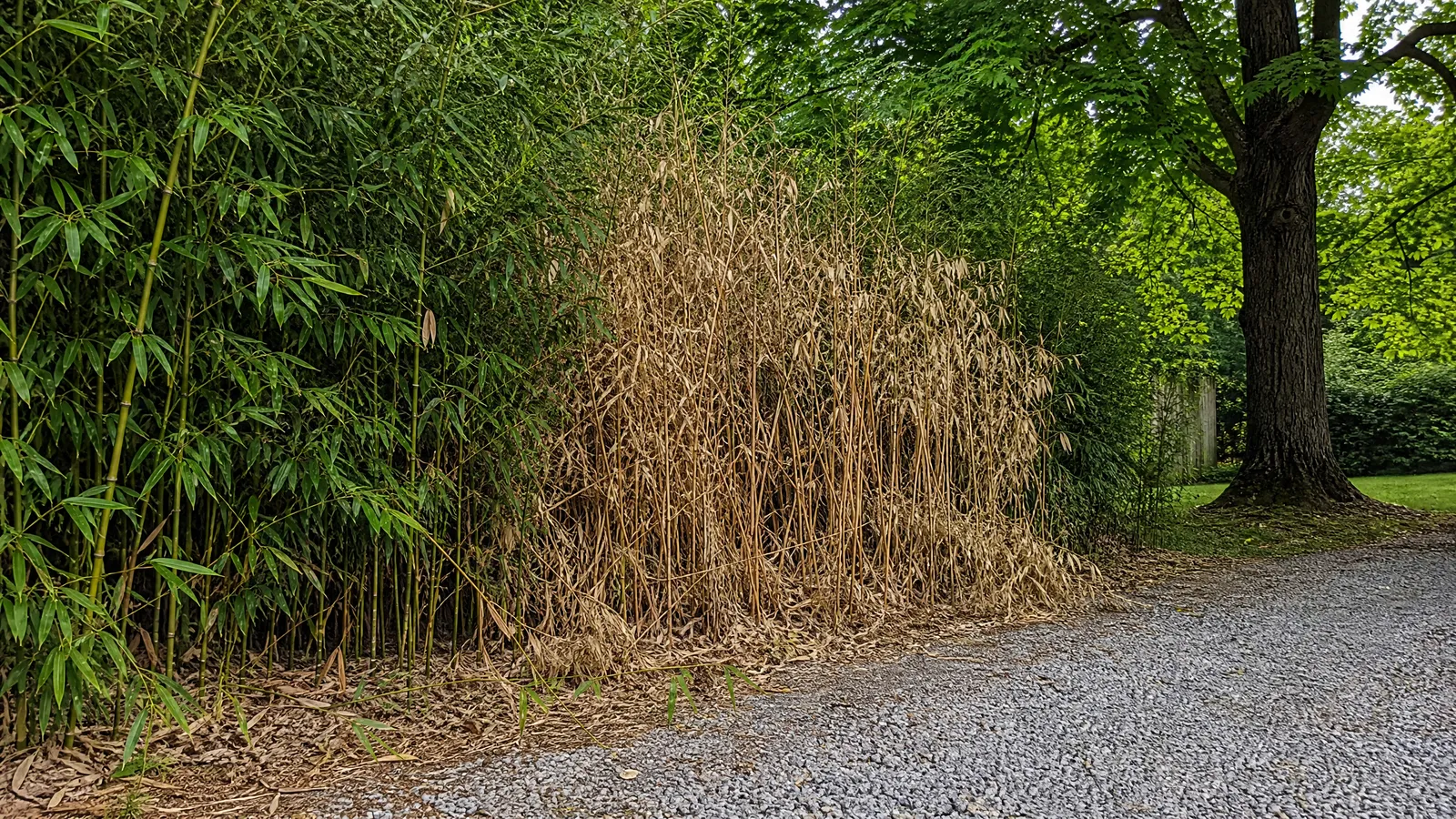
RM43 can kill bamboo, but it is a very strong, non selective total vegetation killer that can also damage trees and keep the soil bare for a long time. For most home gardens it is far more chemical than the job needs.
If you only need to clear bamboo from a gravel area or an open fence line with no trees nearby, RM43 can work. Anywhere near trees, lawns, garden beds or a neighbour’s yard, a more targeted approach is usually safer and just as effective in the long run.
Will RM43 Kill Bamboo?
Yes, RM43 can kill bamboo, with some important caveats. It contains two active ingredients: glyphosate and imazapyr. Both move through the plant down to the roots, and imazapyr is also soil active, which means roots you never sprayed can absorb it from the ground.
That is why RM43 is sold as a total vegetation control product rather than a bamboo killer. Bamboo is tough, so even with RM43 you will often need repeat treatments and follow up cutting before a stand is gone. If trees share the area, our guide on whether RM43 kills trees explains exactly how that soil activity reaches nearby roots.
How RM43 Works on Bamboo and Soil
Sprayed onto bamboo leaves or applied to freshly cut canes, RM43 is absorbed and carried down into the rhizomes. It works best on vigorous regrowth with plenty of healthy leaves. Glyphosate attacks actively growing tissue, while imazapyr adds deeper and longer lasting suppression.
In the soil, imazapyr can move sideways with water and be taken up by other woody roots. This is where unexpected tree damage happens, including delayed yellowing and dieback on trees you never sprayed. Around shrubs, lawns, beds or property lines, that overlap of root zones makes RM43 a high risk choice.
How Long RM43 Stays Active in the Ground
RM43 can keep soil hostile to plants for an extended period. The exact time varies with soil type, rainfall, temperature and how heavily it was applied, but it can be long enough to delay reseeding or replanting well beyond a single season.
Because imazapyr is more persistent and mobile in soil than glyphosate, RM43 is not suitable anywhere you might later want grass, a hedge or a garden bed. When you treat bamboo with it, you are treating the ground as well as the canes.
Is RM43 the Best Way to Get Rid of Bamboo?
For most home landscapes, no. RM43 can work, but the long term soil impact and the risk to trees usually outweigh the benefits when other herbicides and physical methods are available.
Bamboo removal normally needs a combination of cutting, follow up and containment. Products that do not sterilise the soil are easier to manage for that job, especially near fences, lawns and beds where you want to kill the rhizomes without leaving a strip of dead ground.
Pros of Using RM43 on Bamboo
RM43 can make sense in limited situations where you want the ground to stay plant free:
- Drainage ditches or service corridors well away from trees
- Fence lines along open, unplanted ground
- Gravel drives, paths or pads where no vegetation is ever wanted
Here, its soil activity can suppress new bamboo shoots and other weeds for a long time, which cuts down on repeat spraying. The two ingredients together also hit mature, woody bamboo harder than a typical garden weed spray.
Major Drawbacks and Risks of RM43 for Bamboo Control
On a typical residential block, the drawbacks are significant:
- High risk to tree and shrub roots that share the treated soil
- Long lasting bare patches where grass and groundcovers struggle to establish
- Greater chance of runoff harming neighbouring plants
Once it is applied, you have little control over how far RM43 moves underground. For a homeowner looking for a bamboo root killer, that lack of precision is a serious disadvantage.
Best Herbicides to Kill Bamboo Without Destroying Everything Else
No herbicide kills bamboo while sparing every other plant, but some are much easier to control than RM43. The main alternatives are glyphosate and triclopyr, used as spot treatments on cut canes or fresh leafy regrowth.
Both still damage any green tissue they land on, but they do not persist in the soil the way imazapyr does. Used carefully, they let you target bamboo while keeping surrounding trees, lawn and beds much safer.
Glyphosate Bamboo Killers
Glyphosate is absorbed through green tissue and moved down to the roots, which is why it works on bamboo when it is applied correctly. It binds tightly to soil particles, so nearby areas can usually be replanted much sooner than after RM43. The US EPA has a useful overview of glyphosate and how it is regulated.
For bamboo, a brush or concentrate product works better than a ready to use lawn spray. Painting it onto freshly cut canes, or spraying leafy regrowth after cutting, is more effective than spraying tall old canes. Our guide on whether glyphosate kills bamboo covers mix strengths and both methods step by step.
Does Triclopyr Kill Bamboo?
Triclopyr is a woody plant herbicide sold in many brush killers. It can injure or kill bamboo when painted directly onto fresh cuts, and it is usually used cane by cane rather than broadcast sprayed.
Many triclopyr products are gentler on lawn grasses than glyphosate, but they can still harm trees and shrubs, and label directions vary between formulations. Check that bamboo or a similar use site is covered on the label you are holding.
RM43 vs Roundup vs Other Bamboo Herbicides
| Product type | Active ingredients | Soil activity | Best use on bamboo |
|---|---|---|---|
| RM43 | Glyphosate and imazapyr | Long lasting, variable | Remote areas that should stay bare |
| Glyphosate concentrates (many Roundup products) | Glyphosate | Short, binds to soil | Cut canes and leafy regrowth in yards |
| Triclopyr brush killers | Triclopyr | Short to moderate | Painting fresh cuts on individual canes |
Roundup is a brand with several formulas, and some contain extra ingredients, so always compare the active ingredients on the actual label.
How to Use Herbicides on Bamboo Safely and Effectively
Timing and technique matter more than product strength. A careful, stepwise approach does more than one heavy spray, because the goal is to get herbicide into the rhizomes while keeping it off the soil and other plants.
Best Time to Spray Bamboo
Herbicides work best when bamboo is actively growing and moving energy down into its rhizomes, usually mid to late in the growing season after a flush of new shoots has leafed out.
Spraying freshly emerged shoots too early, or treating once growth has slowed, gives weaker results. A common strategy is to cut tall canes, let new shoots regrow and leaf out, then treat that vigorous regrowth.
Application Methods That Work Best on Bamboo
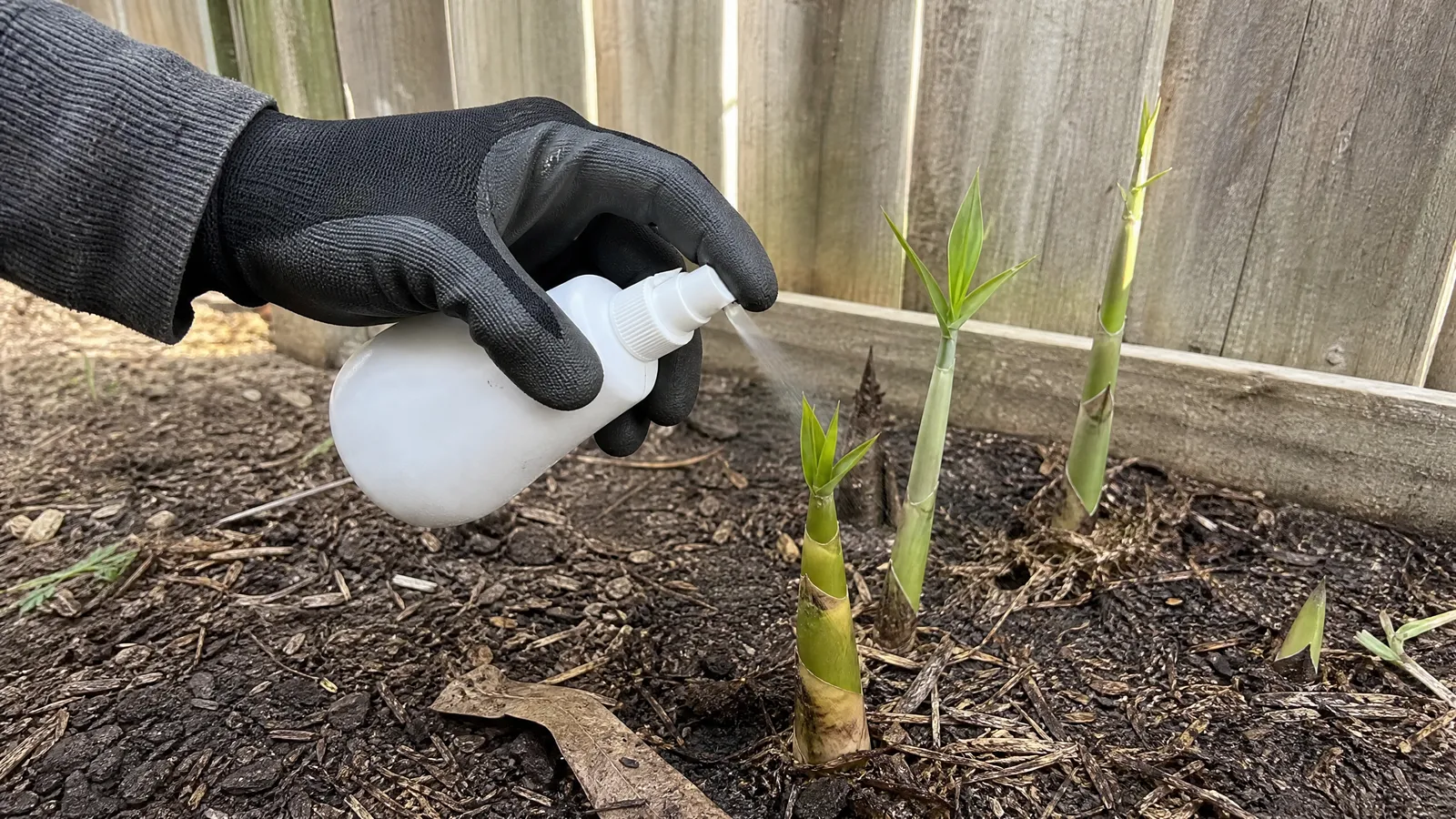
- Cut cane treatment: Cut canes close to the ground and immediately brush or drizzle herbicide onto the fresh cut.
- Leafy regrowth spraying: After a regrowth phase, spray the leaves so the plant carries the herbicide down to the rhizomes.
- Wiper or sponge application: Wipe herbicide directly onto bamboo leaves to avoid drift.
Mix only at label rates. An over strong mix can scorch the tissue before enough herbicide moves down to the roots.
Preventing Damage to Trees, Lawns and Neighbouring Plants
- Work on calm, dry days to reduce drift and runoff.
- Shield plants you want to keep with cardboard or plastic sheeting while you spray.
- Never spray over exposed roots or at the base of trees and shrubs.
Keep all herbicide within your own property and well away from drains, wells, septic systems and open water. Every product’s label is a legal document, and the EPA explains how to read a pesticide label before you mix anything.
Non Chemical Ways to Kill Bamboo and Limit Spread
If you want to avoid herbicides altogether, physical control can still succeed with persistence. These methods rarely kill rhizomes quickly, but they weaken them and stop the spread over time by breaking up the network and denying it new leaves.
Digging Out Bamboo Rhizomes
Digging is hard work but direct:
- Cut canes near ground level.
- Use a shovel or mattock to expose rhizomes just below the surface.
- Lever out rhizome sections, following them outward until they thin.
Even careful digging leaves small fragments, so expect some new shoots. Removing each one as soon as it appears forces the remaining rhizomes to use up their reserves.
Smothering and Containment Barriers
Smothering starves bamboo of light. After cutting the canes, cover the area with several overlapping layers of heavy tarp or thick plastic, weigh the edges down with soil, stone or boards, and leave it in place for at least a full growing season.
To stop spread, install a rigid vertical barrier around the patch, deep enough to intercept most rhizomes, with the top edge left slightly above the soil so you can spot any that try to cross over.
When Professional Bamboo Removal Makes Sense
Professional help is worth it when the stand covers a large area or steep slope, when rhizomes run under paving, buildings or a neighbour’s yard, or when trees, services or property lines make digging and spraying difficult. Ask for a written plan that states what follow up is included.
Do Salt, Vinegar, Boiling Water or Bleach Kill Bamboo?
Home remedies can injure bamboo, but they usually do more harm to the soil and surrounding plants than to the rhizomes.
Killing Bamboo With Salt or Vinegar
Salt and strong vinegar can burn bamboo leaves and young shoots, but the deeper rhizomes are rarely affected. Heavy salt use damages soil structure and can stop future plantings for a long time, and repeated vinegar treatments still leave the rhizomes alive. Our guide on whether salt kills bamboo explains why salt so rarely reaches the roots.
Does Boiling Water Kill Bamboo Roots?
Boiling water poured onto bamboo crowns can scald shallow tissue, but the heat dissipates quickly in the soil, so deeper rhizomes survive. It is hard to apply safely at any useful scale and carries a real burn risk.
Will Bleach or Other Household Chemicals Kill Bamboo?
Bleach, drain cleaner and similar products can burn leaves and canes but do not travel far into the rhizome network. They are not made for soil use and can harm pets, wildlife and paving, so registered herbicides used according to the label are the better choice.
What Actually Kills Bamboo Roots and Keeps It From Coming Back?
What kills bamboo roots reliably is not a single product but a sustained strategy aimed at the rhizomes. Bamboo stores energy in those underground stems and quickly replaces any shoots it loses.
Why Bamboo Is So Hard to Kill
Bamboo rhizomes form dense, spreading networks that store large energy reserves, send up shoots some distance from the original clump and survive partial injury. Running bamboos such as golden bamboo are listed as invasive in parts of the United States, as the National Invasive Species Information Center notes. Injuring only part of the network usually delays regrowth rather than stopping it.
Strategies to Exhaust and Control Bamboo Rhizomes
- Cut every cane in the stand to ground level.
- Choose whether to dig, smother, spot treat with herbicide or combine methods.
- Check the area often and remove or treat every new shoot while it is small.
- Install a barrier along property lines or edges you want to protect.
Rhizomes that cannot keep a healthy leaf canopy eventually use up their stored energy and die. Consistency matters more than any single step.
Legal and Neighbour Issues With Spreading Bamboo
Spreading bamboo can cause friction with neighbours, and local rules on nuisance plants vary, so get local advice if a dispute develops. Using an aggressive product like RM43 near a shared boundary can make things worse if it damages plants next door.
What to Do If Your Neighbour’s Bamboo Invades Your Yard
Take dated photos of where shoots are appearing, talk calmly with your neighbour about the problem, and look for shared solutions such as a joint barrier or coordinated removal. If that fails and damage continues, a local lawyer or council can explain your options.
Why Extreme Herbicides Near Property Lines Can Backfire
Soil active herbicides along a boundary can kill shared trees or hedges whose roots cross the line, leave visible dead strips and make you the one blamed for damage, even though the bamboo started the problem. Less persistent methods and physical barriers are safer in tight, shared spaces.
Frequently Asked Questions
Will RM43 kill bamboo permanently?
It can kill the treated part of a stand, but rhizomes that escaped a lethal dose can still send up shoots. Plan to watch the area for at least a full growing season and treat or remove any new shoots.
How long does it take RM43 to kill bamboo?
Leaves usually start yellowing within days to a couple of weeks, but full collapse of the canes and rhizomes is slower. Established stands often take months and more than one treatment.
Will Roundup kill bamboo permanently?
Roundup can kill bamboo when it is applied repeatedly to leafy regrowth or fresh cuts, but a single spray rarely finishes an established patch. It does not stay active in the soil the way RM43 does, so it needs more follow up.
Can RM43 harm my well or septic system?
Soil active herbicides can move with water, so keep RM43 well away from wells, septic drain fields, drainage lines and open water. Follow every setback and site restriction on the label for the exact product you buy.
Is there a bamboo killer that will not hurt trees?
No herbicide is completely safe for trees, but glyphosate painted onto fresh cut canes is far easier to control than a soil active product like RM43. Keep any spray off tree bark, leaves and root zones.
Can I just cut bamboo down instead of using chemicals?
Cutting alone will not kill bamboo, because the rhizomes resprout. Cutting every new shoot as soon as it appears, combined with digging or a barrier, can exhaust the rhizomes over time without herbicide.
How much does professional bamboo removal cost?
Costs vary widely with the size of the stand, access, how far the rhizomes have spread and whether soil must be dug out or a barrier installed. Get written quotes that state what follow up treatment is included.
Final Verdict: Should You Use RM43 on Bamboo?
RM43 will kill bamboo in many situations, but its long soil activity and risk to tree roots make it a poor fit for a typical yard. For most homeowners, glyphosate or triclopyr applied to cut canes and leafy regrowth, combined with cutting, digging and barriers, gives better long term control with far fewer side effects.
Keep RM43 for remote, unplanted areas where you truly want bare ground and where no trees or neighbouring plants share the root zone. Everywhere else, keep the chemical as targeted and short lived as possible, and always follow the label for the exact product you use.