
Will Roundup Kill Bamboo? Effectiveness, Risks, and Better Options
Key Takeaways
- Roundup can weaken and sometimes kill bamboo, but it is rarely a one spray fix.
- Killing the canes is easy; killing the underground rhizomes takes repeated treatments.
- Leaves usually brown within weeks, while full control can take several growing seasons.
- Treating fresh, leafy regrowth after cutting works far better than spraying old woody canes.
- Digging out the rhizomes is the most reliable permanent method, and Roundup works best alongside it.
- Salt, vinegar, bleach and diesel burn the top growth but rarely reach the roots, and some cause lasting harm.
Roundup can weaken bamboo and sometimes kill it, but it is rarely a fast or guaranteed one time fix. Expect repeated, careful applications, and expect the best results when you combine it with cutting or digging.
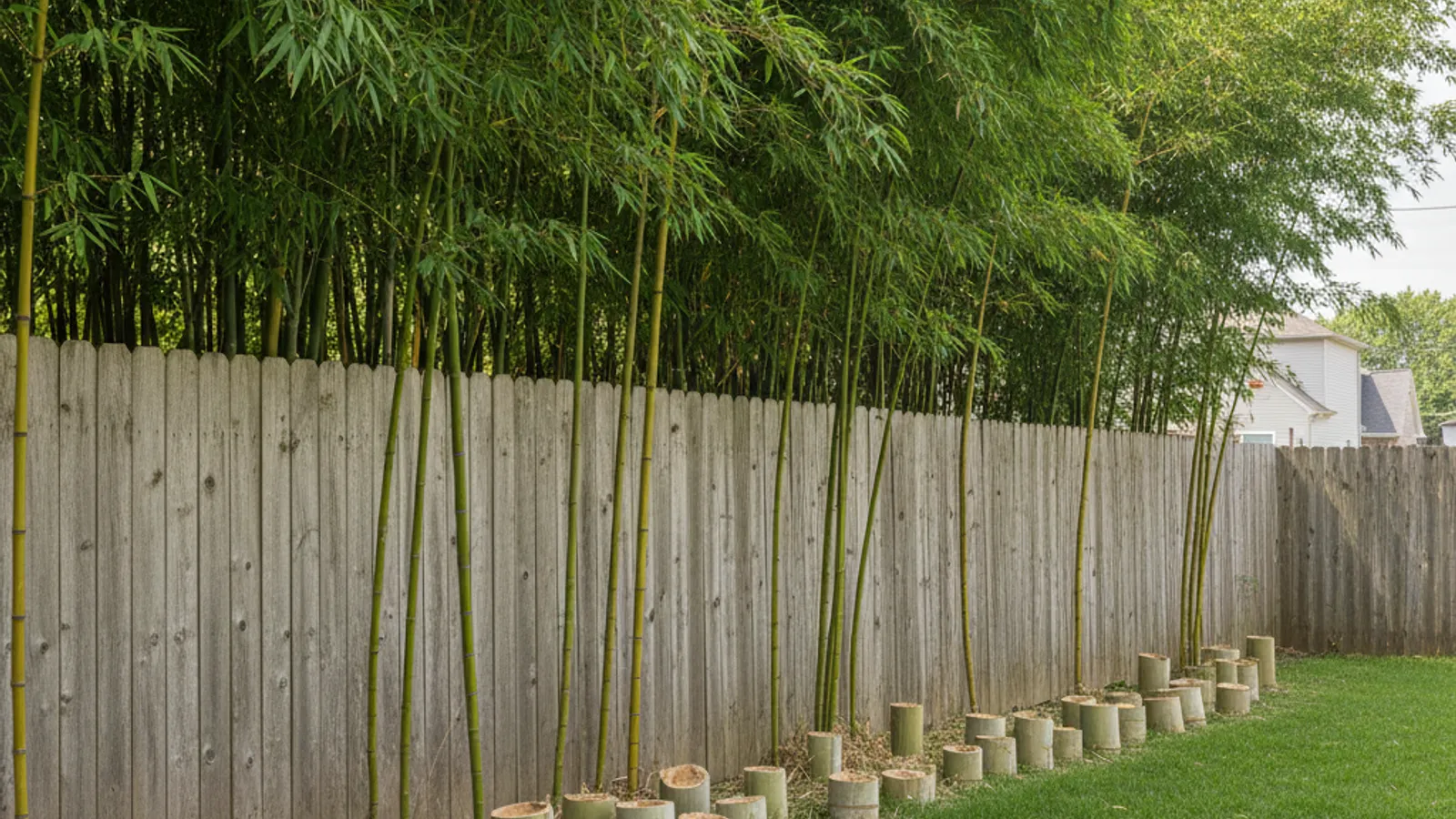
The reason is simple: the green canes you can see are the easy part. The real plant lives underground in a network of rhizomes that can keep sending up shoots long after the leaves have died.
This guide explains what Roundup actually does to bamboo, how to apply it so more of it reaches the roots, and which other methods give you a better chance of getting rid of bamboo for good.
Does Roundup Kill Bamboo?
Yes, it can, but usually not in one go. Most Roundup products are based on glyphosate, a non selective systemic herbicide. Systemic means the plant absorbs it and moves it internally, so it can travel from the leaves down into the rhizomes.
Bamboo’s deep, dense rhizome network is the problem. Even when every leaf turns brown, sections of living rhizome can survive and push up new shoots for months or even years.
So it helps to think of Roundup as a bamboo control tool rather than a “spray once and it is gone” bamboo killer. Used patiently and in the right way, it can shrink a patch dramatically. Used once on a mature thicket, it usually just buys you a season.
Roundup is a brand, not a single formula, and some of its products contain extra active ingredients. Always read the label of the exact product you are holding. For mix strengths and step by step cut stump and foliar methods with any glyphosate product, see our guide on whether glyphosate kills bamboo. If you are weighing it against a stronger total vegetation killer, our comparison of RM43 and Roundup for trees explains why soil active ingredients behave very differently.
How Long Does It Take Roundup to Kill Bamboo?
After a proper treatment, bamboo leaves typically start yellowing and browning within a few weeks. That visible dieback does not mean the roots are dead.
Full control, when it happens, usually takes several treatment cycles spread over months. Large, old patches of running bamboo can take more than one growing season of repeated work.
How fast you see results depends on:
- Bamboo type: Running bamboo with long rhizomes is harder to control than a compact clumping type.
- Age and size: Older patches have bigger energy reserves stored underground.
- Weather: Cool weather or drought slows growth, so glyphosate moves more slowly through the plant.
- What you treated: Fresh, leafy regrowth absorbs far more than old, woody canes.
How Roundup Works on Bamboo Roots and Shoots
Why Is Bamboo So Hard to Kill?
Running bamboo spreads through long, shallow rhizomes that can extend well beyond the visible canes. Clumping bamboo spreads more slowly but still forms a dense root mass.
Those rhizomes store large amounts of energy. When you cut or spray the canes, the plant draws on its reserves to send up new shoots. That is why bamboo so often “comes back” after what looked like a fatal treatment. Our guide on whether bamboo grows back if cut down explains how running and clumping types resprout from their rhizomes.
The network is also interconnected. Killing a few canes does not kill the patch, because any living section of rhizome can resprout. To succeed, a herbicide has to reach and damage as much of that network as possible.
How Does Glyphosate Move Through Bamboo?
Glyphosate is absorbed through green, actively growing tissue. On bamboo, that means:
- Leaves and soft new shoots
- Freshly cut surfaces on living canes or rhizomes
Once inside, it moves with the plant’s sap down into the roots and rhizomes. It works best when the bamboo is growing strongly and has plenty of healthy leaves feeding the underground system. The EPA’s overview of glyphosate covers how the ingredient is regulated and reviewed.
Old, woody canes with tough outer walls absorb very little, and dry or yellowing leaves take up less too. That is why methods that target new regrowth or fresh cuts beat simply spraying a mature thicket.
Best Ways to Use Roundup on Bamboo Safely and Effectively
Cut and Regrow Method Before Spraying
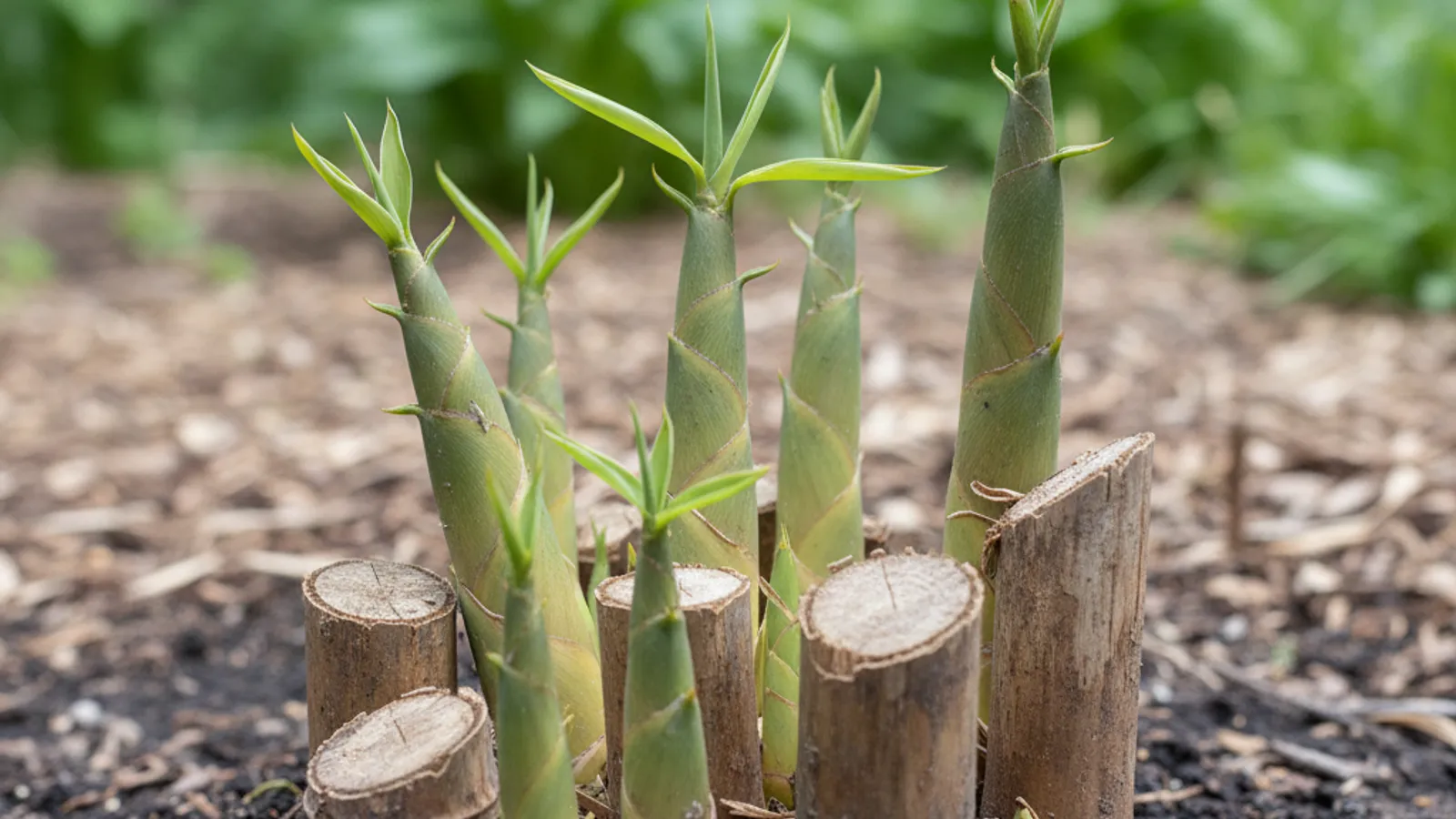
For most homeowners, the most effective way to use Roundup on bamboo is the cut and regrow method:
- Cut the existing canes as close to the ground as is safely practical.
- Remove the cut material so pieces cannot reroot or spread.
- Let the area resprout until the new shoots have several sets of leaves.
- Spray or paint this fresh regrowth with Roundup, following the label directions.
New shoots are soft, leafy and busy sending sugars back down to the rhizomes. Treating them at this stage gives the glyphosate a much better ride into the root system than spraying tall old canes ever could.
Foliar Spray vs Cut Stem Application
There are two main ways to apply Roundup to bamboo.
| Method | How It Works | Strengths | Drawbacks |
|---|---|---|---|
| Foliar spray | Diluted product sprayed on leaves and soft stems | Fast over dense foliage | Higher drift risk to nearby plants |
| Cut stem | Product painted onto fresh cuts or into drilled holes | Very targeted, uses less product | Slow on large patches, each stem needs treating |
For small clumps, or bamboo growing through ornamental beds, cut stem treatment or painting individual shoots does far less collateral damage than broad spraying. Use only the method and strength the label allows.
Application Tips and Safety Precautions
To use Roundup on bamboo more safely and effectively:
- Choose a dry day with little or no wind.
- Shield nearby plants you want to keep with cardboard or plastic sheeting.
- Wear gloves, eye protection, long sleeves and closed shoes.
- Mix and apply only as the product label specifies.
- Keep pets and children away until treated surfaces are dry.
Never spray over water, into drains, or where runoff can reach ponds or streams. The EPA’s advice on reducing pesticide drift explains how wind and droplet size decide where spray actually lands. On steep slopes or beside water, non chemical methods are usually the safer choice.
Best Herbicides to Kill Bamboo Compared
Roundup and Other Glyphosate Products
Glyphosate products are a common first choice for bamboo because they are systemic, non selective and easy to buy.
Pros:
- Widely available to homeowners
- Effective on many grassy and woody plants
- Generally binds to soil and breaks down over time rather than building up
Cons:
- Slow to show its full effect on bamboo
- Usually needs several treatments
- May not reach the deepest or most distant rhizomes in large running patches
For most homeowners, a glyphosate product is the sensible first herbicide to try, as long as the label allows use where the bamboo is growing.
Other Systemic Herbicides Used on Bamboo
Some brush and woody plant killers use other active ingredients, such as triclopyr. A few total vegetation products add soil active ingredients that keep working in the ground.
Points to weigh up:
- Only some of these products are labelled for bamboo or for residential use.
- Some are restricted to licensed applicators in certain areas.
- Soil active products can linger and harm nearby trees and shrubs through their roots.
That last point matters if your bamboo grows near trees you want to keep. Our guide to whether Ortho GroundClear kills trees shows how residual weed killers can reach roots well past the spot you treated. If you are tempted by a total vegetation killer, our guide on whether RM43 kills bamboo weighs its power against the long term soil damage.
Why Some Weedkillers Do Not Work Well on Bamboo
Many everyday weedkillers are contact products. They burn green tissue but do not travel into the roots, so on bamboo they scorch the leaves and leave the rhizomes untouched.
“Lawn safe” selective weedkillers are designed to spare grasses while killing broadleaf weeds. Bamboo is a grass, so these products usually do little beyond temporary leaf damage.
If a product does not say it is systemic, or suitable for perennial grasses or woody growth, it is unlikely to be a useful bamboo root killer.
Herbicide Options for Bamboo at a Glance
| Herbicide Type | Active Ingredient | Effect on Bamboo | Typical Use |
|---|---|---|---|
| Systemic weedkiller | Glyphosate | Moves slowly from leaves to rhizomes | Foliar spray or cut stem |
| Brush killer | Often triclopyr | Aimed at woody growth and roots | Cut stem or foliar |
| Contact weedkiller | Various burn down products | Burns leaves only | Foliar spray |
| Lawn selective weedkiller | Broadleaf herbicide mixes | Little effect, bamboo is a grass | Lawn spray |
Non Chemical Methods to Kill Bamboo Permanently
Complete Excavation of Rhizomes
Digging out the rhizome mat is the most reliable way to remove bamboo permanently, especially in small to medium patches.
The basic approach:
- Cut the canes down so you can reach the ground.
- Use a sharp spade, mattock or machinery to lever up the rhizome layer.
- Remove every root and rhizome piece you can find, including those just beyond the visible patch.
It is hard physical work, it may disturb nearby beds or paving, and disposing of the debris adds up. The payoff is an immediate, dramatic drop in regrowth.
Repeated Cutting and Starving the Roots
If digging is not practical, you can starve the rhizomes instead:
- Cut every cane at ground level.
- Cut each new shoot as soon as it appears, before it unfurls many leaves.
- Keep going for one or more growing seasons.
Each new shoot uses up stored energy but never gets the chance to replace it. Over time this can exhaust the rhizomes, although how long it takes varies a lot from patch to patch.
Using Barriers to Contain Remaining Bamboo
Sometimes complete removal just is not realistic. Containing the bamboo with a root barrier can be the practical answer.
- Barriers are installed vertically around the bamboo to the depth recommended for the product.
- Joins must be overlapped and sealed so rhizomes cannot slip through.
- Check the top edge regularly so rhizomes do not creep over it.
A barrier does not kill bamboo, but it stops running types from invading lawns, foundations and your neighbor’s yard.
What Kills Bamboo Naturally?
Boiling Water on Bamboo Roots
Boiling water can kill small sections of rhizome when it makes direct contact.
- Dig to expose rhizomes around canes or fresh stumps.
- Pour boiling water slowly over the exposed roots and into cut stems.
- Repeat as new shoots appear or as you uncover more rhizome.
It only works where the water actually reaches, so it suits spot treatment of small clumps rather than large thickets.
Salt, Vinegar, and Salt and Vinegar Mixes
These household products often come up as natural bamboo killers, but their results on established stands are limited.
- Salt dehydrates leaves and shallow roots, but in quantity it damages soil, harms nearby plants and lingers in the ground.
- Vinegar, especially strong horticultural vinegar, burns exposed leaves and soft tissue but does not move into the rhizomes.
- Salt and vinegar mixes act like strong contact sprays: the foliage browns quickly, the roots carry on.
They may suppress small shoots along edges or in paving cracks, but they will not kill the roots of a mature patch, and the soil damage can outlast the bamboo. For a closer look at the risks, see our guide on using salt to kill bamboo.
Bleach and Diesel on Bamboo
Some people pour bleach or diesel on bamboo. It is a bad idea.
- It can contaminate soil and groundwater.
- Dumping these substances can breach local hazardous waste rules.
- It harms nearby plants, soil life and wildlife.
They may kill the surface growth, but they are not herbicides and they do not solve the rhizome problem. Purpose made products or mechanical methods are safer and work better.
Step by Step Plan to Get Rid of Bamboo for Good
Assess the Size and Type of Your Bamboo
Before you pick a method, look at:
- How large the bamboo area is
- Whether it grows in tight clumps or spreads widely through runners
- How close it is to buildings, fences, pipes, utilities or plants you want to keep
Small, isolated clumps are usually realistic DIY jobs. Large patches of running bamboo, especially on slopes or near buildings, often need combined methods or professional help.
Choose a Control Strategy: Chemical, Mechanical, or Both
| Strategy | Best For | What It Involves |
|---|---|---|
| Mostly mechanical | Sites near water, vegetable beds or where chemicals are restricted | Digging out rhizomes, then cutting every new shoot |
| Mostly chemical | Moderate patches with poor access for digging | Cut and regrow or cut stem treatment with Roundup |
| Combined | Most established patches | Dig what you can, spot treat stubborn regrowth, add a barrier if needed |
Whichever you choose, the goal is the same: shrink the rhizome network as much as possible, then stop it from rebuilding.
Monitor, Retreat, and Prevent Regrowth
After the first round of work:
- Inspect the area regularly through the growing season.
- Cut or treat every new shoot quickly so it never builds a full set of leaves.
- Cover or replant bare soil so new shoots are easy to spot.
If a neighbor still has running bamboo, talk about coordinated control or a shared barrier. Otherwise rhizomes can simply walk back in from next door.
Cost and When to Hire a Professional for Bamboo Removal
Bamboo removal costs vary widely. The main factors are:
- The size and density of the patch
- Access for people and machinery
- Soil type and slope
- Disposal of canes and rhizomes, and whether a barrier is installed
A small DIY patch mostly costs your time plus tools, herbicide or barrier material. Larger jobs that need machinery, hauling and professional labor cost considerably more, especially when the rhizomes run deep or access is awkward. Get quotes from local contractors before deciding.
Consider hiring a professional when:
- The bamboo covers a large area or a steep slope.
- Rhizomes are close to foundations, underground utilities or septic systems.
- You do not have the time, fitness or equipment for heavy digging.
- Local rules require a licensed applicator for the herbicide you need.
A professional can also identify the bamboo type and plan realistic long term control.
Frequently Asked Questions
Is Roundup good for bamboo compared to other weedkillers?
Roundup is one of the better household options because its glyphosate is systemic and can travel to the rhizomes. Contact weedkillers and lawn safe selective products usually only scorch the leaves, so they give a cosmetic result at best.
Will Roundup kill bamboo roots completely?
Sometimes, but not reliably. Repeated treatments can badly weaken the rhizomes, yet in large established patches some sections often survive and resprout, so follow up cutting or digging is usually needed.
Can I burn bamboo to get rid of it?
Burning removes the canes but not the rhizomes, so the patch grows back. It also carries a real fire risk and is restricted or banned in many areas, so it is not a standalone solution.
What is the best poison to get rid of bamboo?
There is no single magic product. A systemic herbicide labelled for the site, applied to fresh regrowth or cut stems and repeated with patience, matters far more than the brand name.
What is the best weedkiller spray for bamboo in small gardens?
In a small garden, spot treat individual shoots or paint cut stems rather than spraying broadly. A glyphosate product used exactly as the label directs keeps the risk to nearby plants low.
Will vinegar alone kill bamboo permanently?
No. Vinegar burns exposed leaves and soft shoots but does not travel into the rhizomes, so the bamboo regrows. Digging or a systemic herbicide is far more dependable.
How often should I reapply herbicide to bamboo?
Most people retreat each time a new flush of leafy regrowth appears, often every few weeks to a few months during the growing season. Never apply more often or at a stronger rate than the product label allows.
Final Verdict: Is Roundup the Best Way to Kill Bamboo?
Roundup can help you control bamboo and sometimes eliminate it, especially when you apply it to fresh, leafy regrowth or freshly cut stems. On its own, though, it is slow and rarely finishes the job in one season.
The most reliable results come from shrinking the rhizome network: dig out what you can, treat the regrowth, cut anything that slips through, and keep watching. Patience and persistence matter far more than any brand name.
This article is general information only. Always follow the product label and your local rules, and get professional advice for large or sensitive sites.